
Estate Litigation Explained: 5 Scenarios to Seek Expert Legal Support
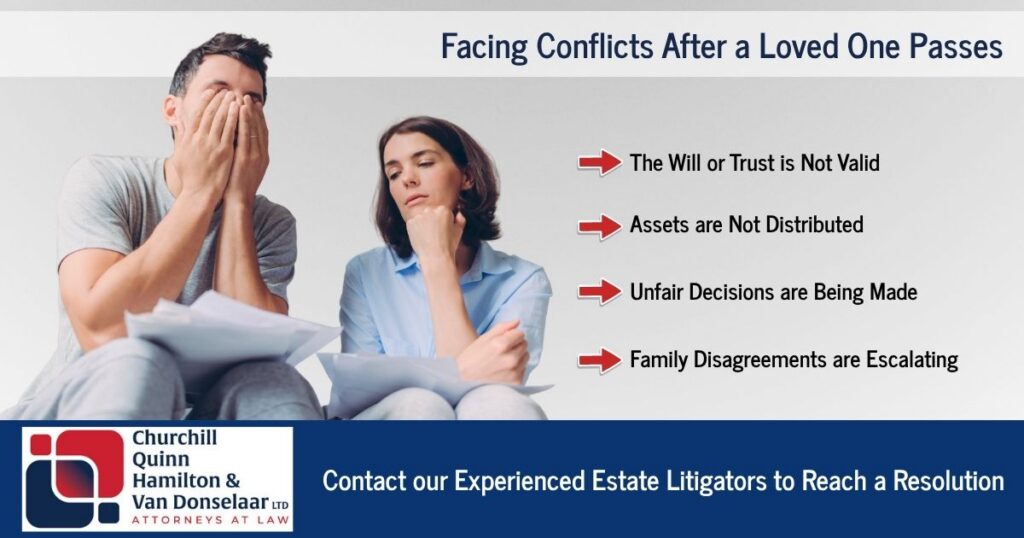
Estate planning is meant to provide a clear direction, protect your loved ones and ensure your wishes are carried out. But even with careful planning, disputes can arise. When they do, estate litigation may become necessary to resolve conflicts and protect your rights.
What Is Estate Litigation?
Estate litigation involves legal action taken when disagreements occur during the probate process or the administration of a trust. These disputes can involve beneficiaries, executors, trustees or even outside parties. An estate litigator works to legally resolve these conflicts, whether through negotiation, mediation, or in a courtroom, in order to carry out the intended wishes of the decedent.
Here are some of the most common reasons someone might need an estate litigator, and how working with an experienced attorney can make all the difference.
Contesting a Will
One of the most common reasons for estate litigation is when someone challenges the validity of a will. This can happen if a beneficiary or family member believes:
- The will was created under undue influence
- The person lacked mental capacity at the time it was signed
- The will is fraudulent or improperly executed
Contesting a will is a complex legal process that requires strong evidence and a deep understanding of probate law. An estate litigation attorney can help determine whether you have a valid claim and guide you through the process.
Disputes Between Beneficiaries
Even in close families, disagreements can arise, especially when emotions are high. Beneficiaries may dispute:
- How assets are distributed
- The correct interpretation of vague language in a will or trust
- Whether certain assets were included or excluded as they should have been
These conflicts can quickly escalate without proper legal guidance. Your attorney can help mediate disputes and, if necessary, advocate for your interests in court.
Executor or Trustee Misconduct
Executors and trustees have a legal obligation to act in the best interests of the estate and its beneficiaries. When they fail to do so, it is called breach of fiduciary duty and it can lead to serious legal issues. Some examples of misconduct include:
- Not managing estate assets properly
- Not distributing assets in a timely manner
- Self-dealing or conflicts of interest
- Lack of transparency or communication
If you suspect wrongdoing, our experienced attorneys can investigate the situation and take appropriate legal action to hold the responsible party accountable.
Trust Disputes
Trusts are often used to avoid probate and transfer assets more easily, but disputes can still arise. Common issues include:
- Disagreements over how the trust should be interpreted
- Concerns about how a trustee is managing assets
- Questions about the validity of the trust itself
An experienced estate litigation attorney will be able to analyze the trust documents and help resolve conflicts efficiently.
Guardianship and Conservatorship Disputes
Guardianship over a minor child or incapacitated adult can be an extremely emotional issue. These cases are often sensitive and may involve issues like:
- Competing claims from family members
- Concerns about the appointed guardian’s actions
- Disagreements about financial or medical decisions
Legal representation is essential to protect the best interests of the individual involved.
Estate Litigation with Churchill, Quinn, Hamilton & Van Donselaar, Ltd
Estate litigation is not something families typically plan for, but when disputes arise, having the right legal support is essential. Our firm is recognized and highly regarded for their extensive expertise in this sophisticated type of litigation. Attempting to handle these emotionally charged and legally complex cases without professional guidance can lead to costly mistakes, prolonged conflict, and unfavorable outcomes. We can evaluate the strength of your case, explain your rights and legal options and effectively represent you in court proceedings in order to come to a resolution that protects your interests. Contact us to learn more at 847-223-1500.